Market Background: Edge Quality in Metal Slitting Operations
Metal slitting lines are widely used in steel processing, aluminum strip production, and other metal manufacturing industries. These production systems are designed to cut metal coils into strips with precise widths for downstream applications such as stamping, roll forming, or component manufacturing.
One of the most important quality indicators in slitting operations is edge quality. Clean and consistent strip edges are necessary to maintain product accuracy and prevent problems during subsequent processing. However, when slitting operations involve high production speeds and narrow strip widths, maintaining stable edge quality becomes more challenging.
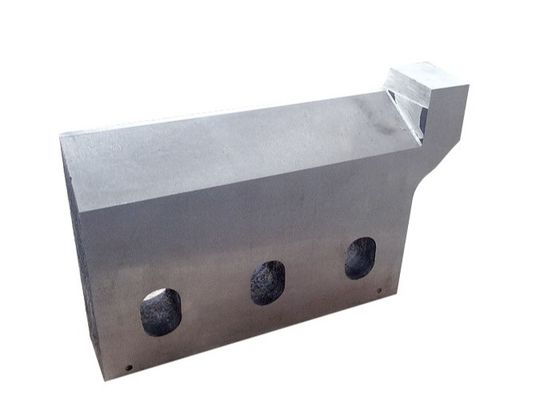
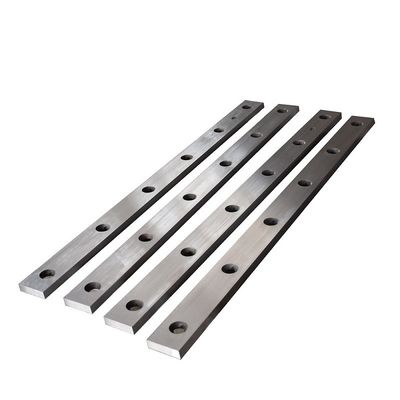
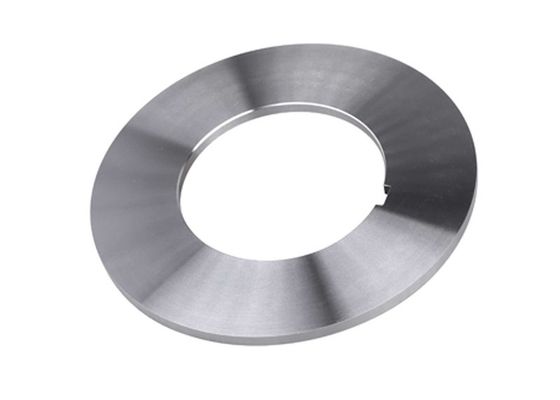
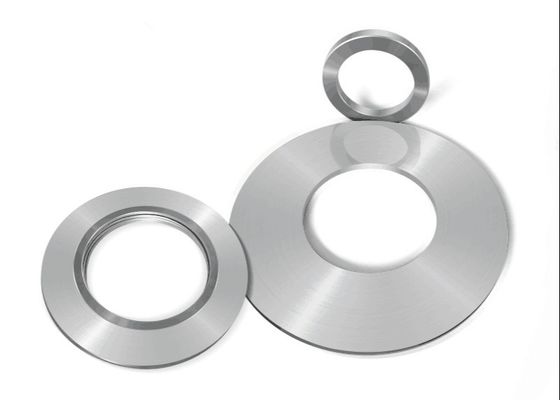
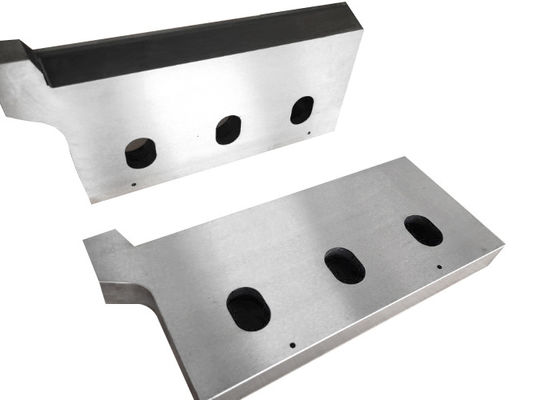
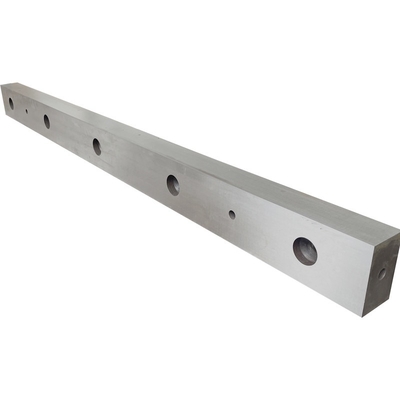
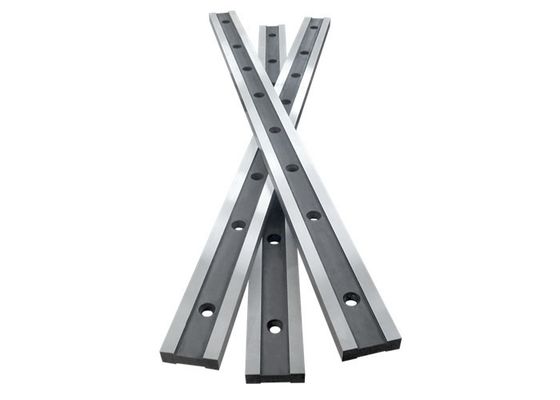
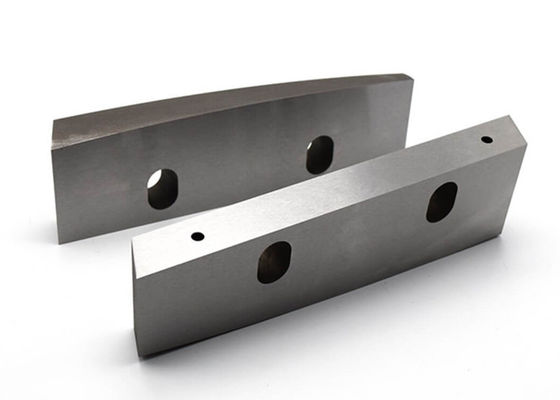
Because of this, manufacturers are increasingly focusing on precision slitting blades, which play a key role in maintaining consistent cutting performance in metal slitting lines.
Common Edge Quality Problems in Slitting Lines
In metal slitting operations, several factors can affect the quality of strip edges. When blade performance or machine conditions are not optimized, manufacturers may encounter issues such as:
-
burr formation along the strip edge
-
uneven or rough cutting surfaces
-
strip width variation
-
material deformation during cutting
These issues may reduce product quality and increase additional processing requirements.
The Role of Precision Slitting Blades
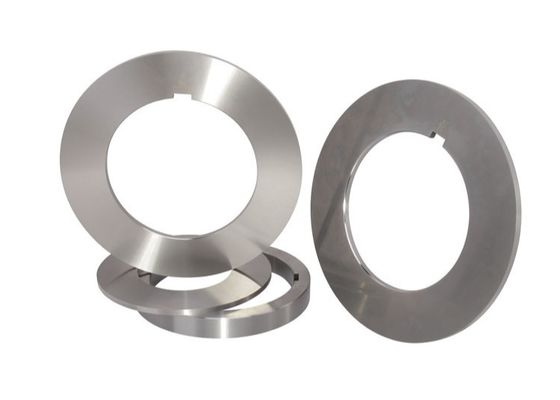
Precision slitting blades are designed to maintain stable cutting conditions during continuous production. Their performance is influenced by several technical factors.
Blade Material Selection
The material of the blade determines its wear resistance and cutting stability. Common materials used for slitting knives include:
These materials provide the hardness and durability required for industrial cutting processes.
Manufacturing Precision
In precision slitting operations, blade dimensional accuracy plays a critical role. Blade thickness tolerance may be controlled within ±0.001 mm to ±0.003 mm, helping maintain consistent cutting clearance between blades.
Heat Treatment and Hardness Control
Heat treatment ensures that blades maintain cutting performance during continuous production. Industrial slitting blades often have hardness levels around 58–60 HRC, depending on material and application.
Improving Edge Quality Through Proper Blade Selection
Selecting the right slitting blade is essential for improving cutting quality in metal slitting lines. Manufacturers usually consider several factors when choosing blades:
-
blade material and wear resistance
-
dimensional precision of the blade
-
hardness and heat treatment process
-
compatibility with the slitting machine
By selecting precision slitting blades designed for the specific production environment, manufacturers can improve strip edge quality and maintain stable slitting operations.
Conclusion
Edge quality is a key factor in metal slitting operations, influencing both product performance and manufacturing efficiency.
Precision slitting blades manufactured with suitable materials, controlled hardness, and accurate tolerances help ensure stable cutting conditions and consistent strip quality in modern slitting lines.